
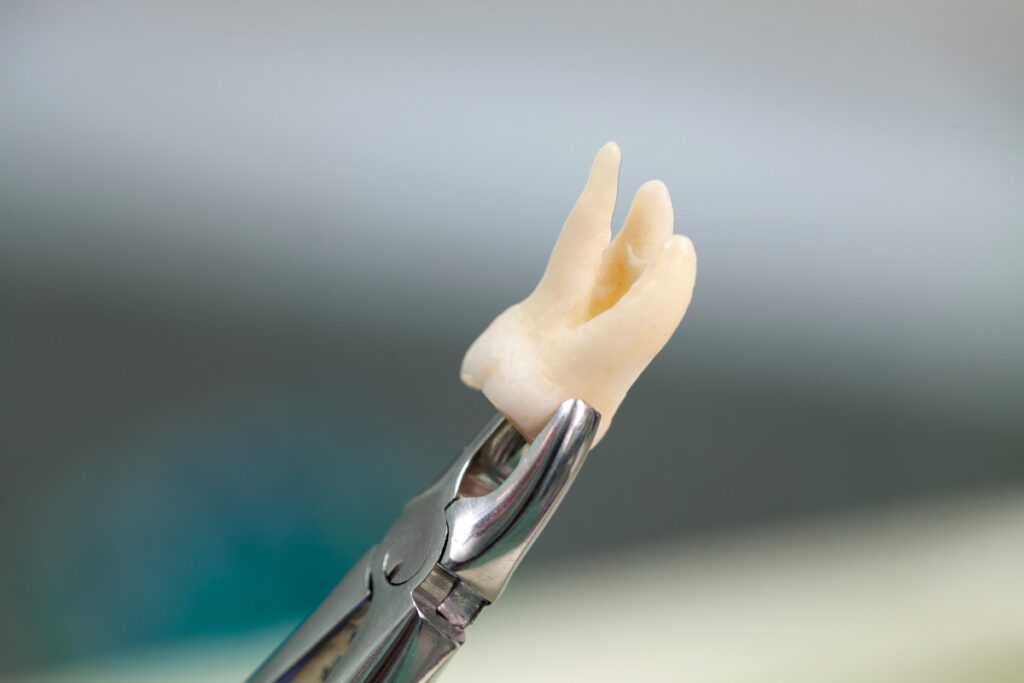
Tooth extraction may not be a decision anyone takes lightly, yet it’s sometimes a necessary step toward optimal oral health. Understanding when extraction becomes the best solution can help ease the process and reduce anxieties. Let’s explore the primary reasons for tooth extraction and practical replacement options that restore functionality and aesthetics.
Reasons for Tooth Extraction
An orthodontist may recommend you extract a tooth for multiple reasons. Here are some of them:
Dental Damage
A tooth can suffer significant damage from injuries, accidents, or severe fractures. When the damage is too extensive to be repaired by fillings, crowns, or other restorations, extraction might be the best choice. Removing the damaged tooth helps alleviate pain, prevent infection, and protect neighboring teeth from future complications.
Advanced Tooth Decay
If left untreated, tooth decay can reach the tooth’s inner layers, compromising its structure. In cases where decay has passed the point of repair, an extraction is often the only viable option. Removing a decayed tooth helps protect surrounding teeth and reduces the likelihood of the decay spreading further in the mouth.
Impacted or Misaligned Wisdom Teeth
Wisdom teeth are the last to emerge but often face space limitations in the jaw. Due to lack of space, they may grow at odd angles, impacting nearby teeth or leading to painful conditions. Early removal of impacted wisdom teeth prevents these issues and helps maintain a well-aligned bite.
Preparing for Dental Implants
In situations where a damaged tooth can’t be saved, and a dental implant is desired, extracting the compromised tooth is a routine step. Dental implants replace the extracted tooth, restoring full function and enhancing oral health. An implant can be a long-lasting, aesthetically pleasing solution that acts like a natural tooth.
Orthodontic Needs
To ensure proper alignment, orthodontists may recommend tooth extraction to create more room in the jaw. This approach can be essential for individuals with crowded or misaligned teeth, as it provides the space needed for effective orthodontic treatment and a healthier bite.
The Tooth Extraction Process
The thought of having a tooth extracted can be nerve-wracking, but today’s methods make the process as comfortable as possible. Dentists use local anesthesia and other pain-management techniques to ensure a virtually pain-free experience. During a standard extraction, the area around the tooth is numbed, so there’s minimal discomfort, and patients are kept relaxed throughout the procedure.
Wisdom teeth removal can be more complex since these teeth are often removed before they fully emerge. For this reason, general anesthesia may be recommended to keep patients comfortable for the entire procedure. Recovery from wisdom tooth extraction typically takes a bit longer than a standard extraction, as it involves a more intensive process. However, the dentist will provide specific post-care instructions to help make recovery straightforward and minimize discomfort.
Replacement Options After Teeth Extraction
After a tooth extraction, it’s essential to consider replacement options. Missing teeth can lead to shifting, misalignment, and a weaker jawbone. Fortunately, there are several solutions to help fill the gap left by an extraction and preserve oral function.
Dental Implants
Dental implants are one of the most popular and durable options for replacing a missing tooth. Dentists often recommend implants due to their strength, durability, and lifelike appearance. Implants are anchored directly into the jawbone, which supports both the replacement tooth and the jaw’s structural integrity. An implant not only restores your smile but helps prevent bite issues and jawbone deterioration.
Implant-Supported Dentures
If you have multiple missing teeth or need a full-mouth restoration, implant-supported dentures may be an ideal choice. Instead of traditional removable dentures, implant-supported options use a few implants to anchor a full arch of teeth. This solution provides the comfort and stability of permanent teeth while offering a lasting, natural look.
Dental Bridges and Bridgework
Dental bridges are effective for filling the space left by one or two extracted teeth. A bridge consists of an artificial tooth held in place by crowns on adjacent teeth. This method restores chewing function and improves appearance without requiring implants. Dental bridges are a quick solution and can last many years with proper care.
Why Replace an Extracted Tooth?
Replacing a missing tooth soon after extraction is highly recommended. Gaps in the mouth can cause neighboring teeth to shift, which can eventually lead to bite problems, jaw pain, and an increased risk of further tooth loss. Choosing a suitable replacement option not only restores appearance but also helps maintain jaw health and function.
Extraction doesn’t have to compromise your smile. Whether you choose a dental implant, bridge, or implant-supported denture, you’re taking an essential step toward protecting your long-term oral health.
Tooth extraction is a necessary part of dental care in certain circumstances. Dentists ensure the process is as smooth and pain-free as possible. By understanding why extraction might be recommended and knowing the replacement options, you can make informed choices that prioritize both health and appearance. Whether it’s due to damage, decay, or preparation for orthodontics or implants, tooth extraction can lead to a healthier, more confident smile.
 Mon-Thr: 8AM - 4PM