
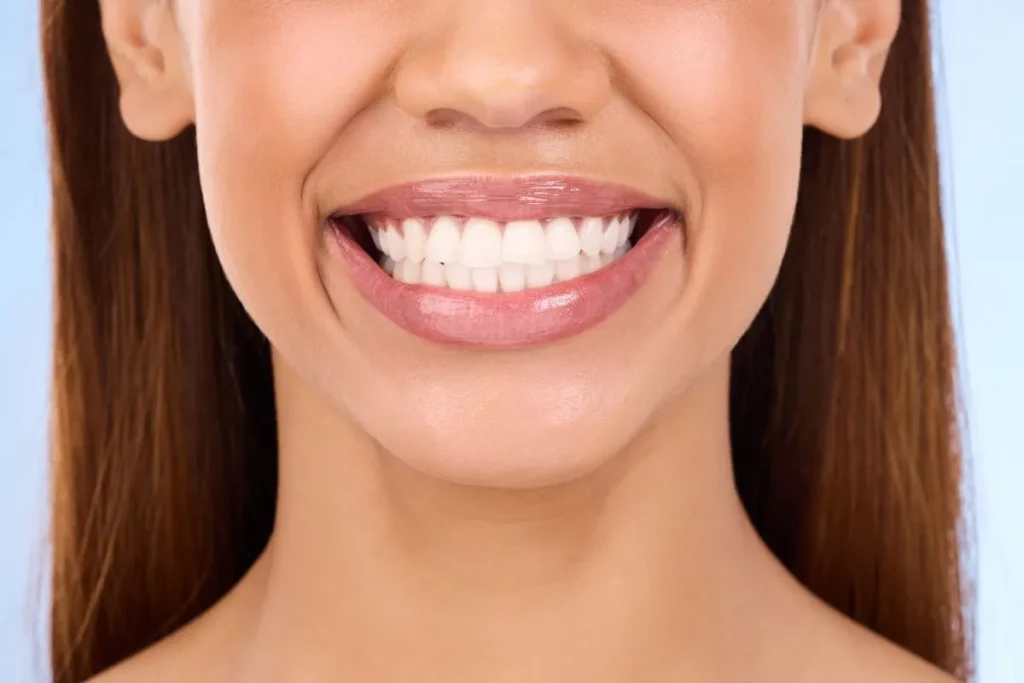
You brush twice a day, use a whitening toothpaste, and keep up with your oral hygiene routine, but your teeth still look yellow or dull. It can be frustrating when your efforts do not seem to make a difference. However, brushing does not remove every type of tooth discoloration.
The reason may have less to do with your brushing habits and more to do with what is causing the change in color. Understanding the source of the stains can help you figure out what your teeth actually need.
1. The Discoloration May Be Inside Your Teeth
Not all stains sit on the tooth surface. Some develop within the enamel or the dentin underneath it. Dentists call these intrinsic stains.
Unlike surface discoloration, internal changes will not disappear through regular brushing. Certain medications taken during childhood, dental injuries, and changes in tooth structure can contribute to this type of discoloration.
If your teeth have looked yellow or gray for years despite consistent brushing, the color may come from within the tooth rather than from something sitting on its surface.
2. Your Enamel Changes as You Get Older
Tooth enamel naturally wears down over time. As it becomes thinner, the yellowish dentin underneath can show through more clearly. This can make teeth look darker even when you brush and floss regularly.
You may notice this change gradually rather than all at once. It does not necessarily mean your oral hygiene routine is inadequate. Brushing removes debris and helps control plaque, but it cannot restore enamel thickness or change the natural color of dentin.
3. Coffee, Tea, and Other Foods May Leave Stubborn Stains
Coffee, tea, red wine, dark berries, and tobacco can leave pigments on the enamel. These external stains can build up over time, especially with frequent exposure.
Whitening toothpaste may help remove some surface discoloration, but it has limits. If stains have become more noticeable or do not respond to your usual routine, brushing harder is unlikely to solve the problem.
A professional cleaning may remove hardened deposits and certain surface stains that a toothbrush cannot reach.
4. Hardened Tartar May Be Affecting Your Smile
Plaque is a soft film of bacteria that forms on teeth throughout the day. When it stays on the teeth, it can harden into tartar. Unlike plaque, tartar cannot be removed with a regular toothbrush.
Tartar often collects near the gumline and between teeth. It can also hold onto stains, making teeth look yellow or discolored in certain areas.
Regular cleanings help remove this buildup and keep your teeth easier to maintain at home. A dental team serving Derry can also help identify whether the discoloration comes from surface deposits or another cause.
5. Your Dental Work May Not Change Color
Do you have crowns, veneers, or tooth colored fillings? These restorations do not respond to whitening products in the same way as natural teeth.
As natural teeth change color, existing dental work may become more noticeable. Whitening products cannot simply lighten the shade of a crown or filling, so using more toothpaste or whitening gel will not correct the difference.
Your dentist can assess the shades and discuss suitable ways to improve the overall appearance of your smile.
What Can You Do When Brushing Is Not Enough?
Start by finding out why your teeth look discolored. An oral health specialist can examine your teeth, identify possible causes, and explain which options may help.
Depending on the findings, you may benefit from a professional cleaning or a treatment designed to address deeper stains. If you want to discuss professional whitening options in Derry, your dentist can help determine whether an in office procedure or a custom take home kit is appropriate.
Avoid brushing more aggressively or using several whitening products at once. These habits can irritate your gums and increase tooth sensitivity without addressing the underlying cause.
Give Your Smile the Attention It Needs
If your teeth still look dull despite a consistent brushing routine, you do not have to keep trying products without knowing what is causing the discoloration. The right approach starts with understanding what has changed and what your teeth need.
At Vanguard Dental Group in Derry, NH, you can discuss the changes you have noticed and get guidance on suitable ways to improve your smile. Schedule an appointment to talk with the team about your concerns and take a more informed approach to a brighter smile. You can also view the practice location in Derry.
Frequently Asked Questions
1. Can yellow teeth become white again with brushing?
Brushing can reduce some surface stains and remove plaque, but it cannot change the natural color of your teeth or remove discoloration inside them.
2. Does whitening toothpaste work on every type of stain?
No. Whitening toothpaste mainly helps remove certain surface stains. It usually has little effect on discoloration that develops within the tooth.
3. Why is one tooth darker than the others?
A single dark tooth may have experienced an injury or changes inside the tooth. Have it examined, especially if the color change happened suddenly or the tooth feels uncomfortable.
4. Should I brush harder to remove yellow stains?
No. Brushing too hard can wear down enamel and irritate your gums. Use a soft bristled toothbrush and gentle pressure instead.
 Mon-Thr: 8AM - 4PM