
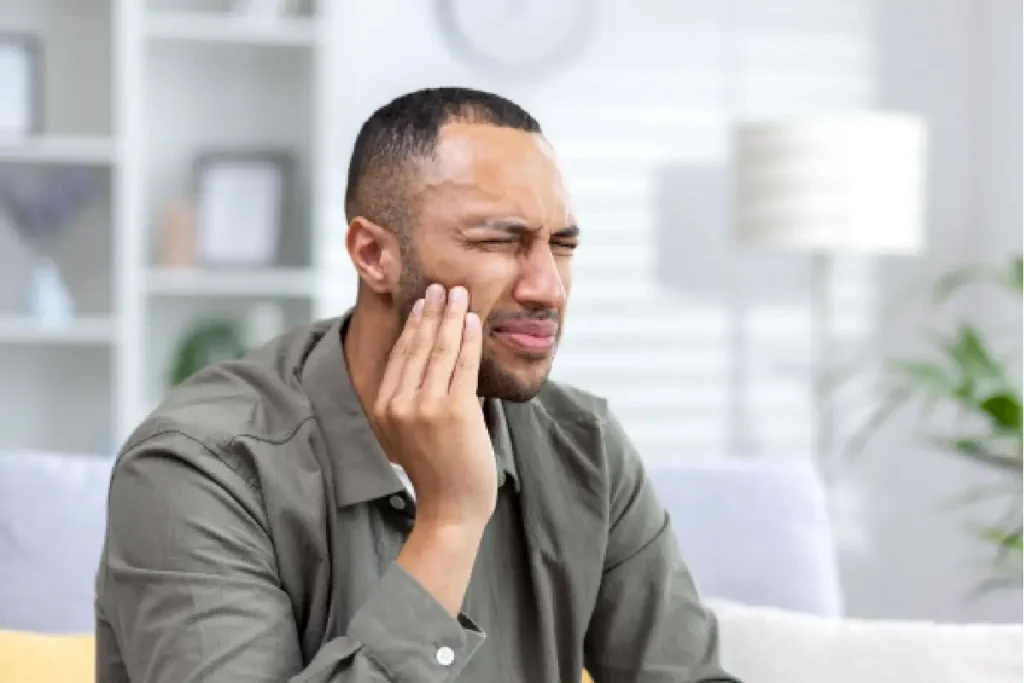
You take a bite of your favorite sandwich and something feels… different.
One tooth doesn’t feel quite as solid as it did yesterday. Maybe it shifts ever so slightly when you chew, or you notice a little movement while flossing before bed. There’s no severe pain, so it’s tempting to convince yourself it’s nothing.
But if you’ve found yourself wondering “why do my teeth feel loose?”, your mouth is trying to tell you something.
Unlike baby teeth, permanent teeth shouldn’t move. Even slight looseness often means that the gums, bone, or tissues supporting the tooth have been affected. The good news is that catching the problem early can often prevent it from becoming much more serious.
One of the most common causes is gum disease. As the infection progresses, it weakens the tissues that keep your teeth stable. Understanding how unhealthy gums are treated can help you know what to expect if your dentist determines that’s the source of the problem.
The key is not waiting until the tooth becomes painful or noticeably loose.
A Loose Tooth Doesn’t Always Mean You’ll Lose It
Many people panic the moment they notice movement in a tooth.
Fortunately, looseness isn’t a diagnosis—it’s a symptom.
Think of your tooth like a tree. The visible part is only half the story. Beneath the surface, the roots are surrounded by ligaments, healthy gum tissue, and jawbone that work together to hold everything firmly in place.
When any part of that support system becomes damaged, the tooth may begin to move.
Sometimes it’s barely noticeable. Other times, it becomes obvious while chewing, speaking, or brushing your teeth.
Finding out why it’s happening is the most important step.
Gum Disease Is Often the Biggest Culprit
One of the leading answers to “why do my teeth feel loose?” is periodontal disease.
It usually starts quietly.
Plaque builds up around the gumline. If it isn’t removed through regular brushing, flossing, and professional cleanings, it hardens into tartar. Bacteria trapped beneath the gums trigger inflammation, causing the gums to pull away from the teeth and create small pockets.
Those pockets allow bacteria to travel deeper, where they begin damaging the bone supporting your teeth.
That’s why loose teeth are often considered a later warning sign—not the beginning of the problem.
Other symptoms may appear first, including:
- Bleeding while brushing
- Swollen or tender gums
- Chronic bad breath
- Receding gums
- Teeth that appear longer than before
Other Reasons Your Teeth May Feel Loose
Although gum disease is common, it’s not the only possibility.
You Grind or Clench Your Teeth
Many people unknowingly clench their teeth while sleeping or during stressful days.
Night after night, that pressure stretches the tiny ligaments around the roots. Over time, your teeth may begin feeling slightly mobile, especially in the morning.
Morning headaches, jaw soreness, and worn tooth edges often accompany this habit.
You Injured the Tooth
Not every injury happens during sports.
Biting an olive pit, chewing ice, or accidentally getting hit in the mouth can injure the tissues supporting a tooth.
Sometimes the tooth doesn’t loosen immediately. Inflammation can develop over several days before you notice something feels different.
Bone Loss Can Change Everything
Your jawbone constantly supports your teeth.
When bone begins shrinking because of untreated gum disease or a long-missing tooth, nearby teeth lose part of their foundation.
Many patients are surprised to learn that the problem has been developing for years before the tooth finally begins moving.
An Infection Can Weaken Support
A deep dental infection doesn’t always cause unbearable pain.
Sometimes the infection spreads slowly around the root, weakening the tissues holding the tooth in place.
If you notice swelling, pain while biting, or a small bump on your gums along with looseness, don’t wait to have it evaluated.
What Happens If You Ignore It?
This is where many people make a mistake.
Because the tooth doesn’t hurt, they assume it will tighten on its own.
Unfortunately, most underlying causes continue to progress.
A tooth that feels slightly loose today may eventually:
- Shift out of position
- Create gaps between teeth
- Become harder to chew with
- Affect your bite
- Lose enough support to require extraction
The earlier the cause is identified, the more treatment options are usually available.
What Should You Do Right Now?
If your tooth feels loose:
- Avoid repeatedly pushing it with your tongue.
- Don’t chew hard foods on that side.
- Continue brushing and flossing gently.
- Schedule a professional evaluation as soon as possible.
Your dentist can determine whether the problem involves your gums, bite, bone, or the tooth itself before recommending the right treatment.
Protecting Your Smile Starts Before Problems Develop
Many causes of loose teeth can be prevented or slowed with healthy habits.
You can reduce your risk by:
- Never ignoring bleeding gums.
- Keeping up with routine dental cleanings.
- Wearing a custom mouthguard for sports.
- Treating nighttime grinding before it damages your teeth.
- Replacing missing teeth to help maintain a balanced bite.
- Scheduling regular periodontal maintenance if you’ve previously had gum disease.
Small changes today can help preserve your natural teeth for years to come.
Don’t Wait Until the Tooth Becomes More Loose
A loose tooth is your body’s way of telling you that something has changed beneath the surface. Whether it’s gum disease, an injury, or another underlying issue, identifying the cause early gives you the best chance of saving your natural tooth.
If you live in Derry, Londonderry, Windham, Salem, or nearby communities, you can find our Derry office to plan your visit. If you’ve recently noticed movement in one or more teeth, schedule your visit online so our team can identify the cause and recommend the care that’s right for your smile.
Frequently Asked Questions
Why do my teeth feel loose even though they don’t hurt?
Not all dental problems cause pain right away. Gum disease, bone loss, or teeth grinding can make teeth feel loose before discomfort develops.
Can stress make my teeth feel loose?
Stress can contribute indirectly by causing you to clench or grind your teeth, placing excessive pressure on the supporting tissues.
Is a loose permanent tooth always an emergency?
It should be evaluated promptly. While it may not require emergency treatment, delaying care can allow the underlying problem to worsen.
Can gum disease cause loose teeth?
Yes. Advanced gum disease damages the bone and ligaments that support your teeth, making looseness one of its most common warning signs.
 Mon-Thr: 8AM - 4PM