
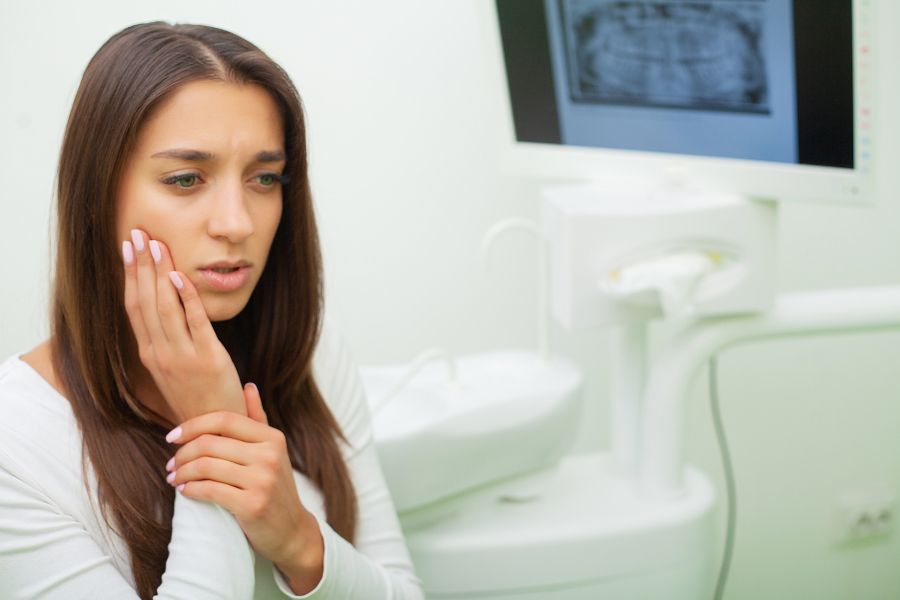
A broken tooth can happen suddenly and without warning. Whether it occurs while eating, playing sports, or due to an accidental fall, the experience can be painful and stressful. Even a small crack or chip should never be ignored because it may worsen over time and lead to more serious oral health problems.
Understanding what to do immediately after breaking a tooth can help reduce discomfort and protect your smile. Knowing when to seek emergency dentistry care is also important for preventing complications and restoring oral health quickly.
Common Causes of a Broken Tooth
Teeth are strong, but they are not indestructible. Several everyday situations can increase the risk of tooth damage.
Biting Hard Foods or Objects
Chewing ice, hard candy, popcorn kernels, or non-food objects can place excessive pressure on teeth and lead to cracks or fractures.
Sports and Accidental Injuries
Contact sports, falls, and sudden impacts are common causes of broken or chipped teeth.
Untreated Tooth Decay
Weak or decayed teeth are more likely to fracture because the enamel has already been compromised.
Teeth Grinding
Chronic grinding or clenching can slowly wear down teeth and increase the risk of cracks.
Signs You May Have a Broken Tooth
Not all broken teeth are immediately obvious. Some fractures may cause noticeable pain, while others produce mild symptoms that worsen gradually.
Common signs include:
- Sharp pain while chewing
- Sensitivity to hot or cold foods
- Swelling around the tooth
- Rough or jagged tooth edges
- Visible cracks or chips
- Intermittent tooth pain
If you notice any of these symptoms, seeking professional evaluation is important. Delaying care could increase the risk of infection or additional damage.
What To Do Immediately After Breaking a Tooth
Taking the right steps after a dental injury can help protect the tooth and reduce discomfort until you receive professional care.
Rinse Your Mouth Gently
Use warm water to clean the area and remove any debris. This helps lower the risk of irritation and infection.
Save Any Broken Pieces
If possible, collect any fragments of the tooth and store them safely. In some cases, a dental professional may be able to evaluate or use the fragments during treatment planning.
Reduce Swelling
Applying a cold compress to the outside of the cheek can help minimize swelling and discomfort.
Avoid Chewing on the Affected Side
Using the damaged tooth may worsen the fracture or increase pain. Stick to softer foods until your appointment.
Protect Sharp Edges
If the broken tooth has a jagged edge, dental wax or sugar-free gum may temporarily cover the area to prevent irritation to the tongue or cheeks.
When To Seek Emergency Dental Care
Some broken teeth require immediate attention, especially when pain, bleeding, or nerve exposure is involved.
Severe Pain or Bleeding
Persistent pain or bleeding may indicate more serious damage to the tooth or surrounding tissues.
Large Cracks or Missing Portions
A tooth with significant structural damage may become unstable if not treated promptly.
Signs of Infection
Swelling, fever, or a bad taste in the mouth may signal an infection that requires urgent evaluation.
Patients searching for emergency dental care in Derry should understand that prompt care can often improve the chances of preserving the tooth and avoiding more extensive complications.
Why Prompt Treatment Matters
Ignoring a broken tooth may lead to additional oral health concerns. Even small chips can allow bacteria to enter the inner layers of the tooth.
Preventing Further Damage
Minor cracks may spread over time if left untreated, especially during chewing or grinding.
Protecting the Tooth Nerve
If the inner pulp becomes exposed, infection and severe discomfort may develop.
Maintaining Oral Function
Broken teeth can affect chewing, speaking, and overall comfort if not properly addressed.
Seeking emergency dentistry care early can help protect both the damaged tooth and the surrounding oral structures.
How To Lower the Risk of Future Tooth Damage
While accidents cannot always be prevented, healthy habits may reduce the likelihood of future dental injuries.
Wear a Mouthguard During Sports
Protective mouthguards help absorb impact and reduce the risk of injury during athletic activities.
Avoid Chewing Hard Objects
Limiting habits like chewing ice or opening packages with teeth can help preserve enamel strength.
Address Teeth Grinding
Patients who grind or clench their teeth may benefit from discussing protective options with their dental professional.
Maintain Regular Dental Visits
Routine dental checkups can help identify weakened teeth, decay, or bite issues before they contribute to fractures.
Patients who prioritize preventive care and seek emergency dental care in Derry when needed are often better able to maintain long-term oral health and comfort.
Get Trusted Care Quickly Before a Broken Tooth Gets Worse
A broken tooth may seem minor at first, but delaying care can increase the risk of pain, infection, and long-term damage. At Vanguard Dental Group, our dental clinic is dedicated to helping patients protect their smiles through compassionate care, patient education, and trusted guidance during dental emergencies. If you are experiencing tooth pain, damage, or signs that may require emergency dentistry attention, schedule an appointment with us today and take the next step toward restoring your oral health and comfort.
 Mon-Thr: 8AM - 4PM