
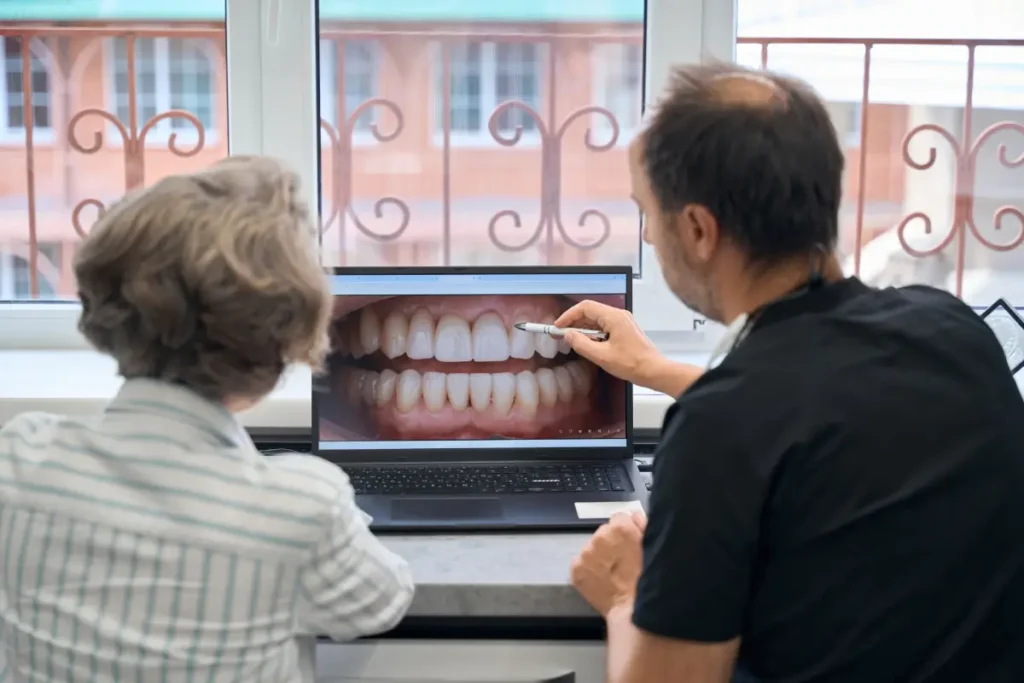
Hearing a crack or feeling a sudden sharp edge in your mouth can instantly cause concern. Whether you were biting into popcorn, playing sports, or simply chewing on something hard, a broken tooth is an unsettling experience. The first question most people ask is, can a broken tooth be saved?
In many cases, the answer is yes. Whether a tooth can be restored depends on where the break occurred, how deep the damage extends, and how quickly you seek professional care. Prompt evaluation often provides more treatment options and helps protect your natural tooth.
What Happens When a Tooth Breaks?
To understand how a broken tooth is treated, it helps to know its basic structure:
- Enamel: The hard outer layer that protects the tooth.
- Dentin: The supportive layer beneath the enamel.
- Pulp: The soft inner tissue containing nerves and blood vessels.
A break can range from a small chip in the enamel to a deep fracture that affects the inner layers of the tooth. While minor chips may be largely cosmetic, larger fractures can weaken the tooth and make it more vulnerable to further damage if left untreated.
Common Causes of a Broken Tooth
Although enamel is the strongest substance in the human body, it can still fracture under enough force. Some of the most common causes include:
- Biting hard objects: Ice, popcorn kernels, hard candy, or similar foods.
- Untreated tooth decay: Cavities weaken the tooth from within, making it more likely to break during normal chewing.
- Sports injuries or accidents: A direct blow to the mouth can chip or fracture a tooth.
- Teeth grinding (bruxism): Continuous clenching or grinding places excessive pressure on enamel.
- Large, aging fillings: Older restorations may leave less natural tooth structure to support everyday biting forces.
Should You Be Concerned?
Even if a broken tooth isn’t causing immediate pain, it shouldn’t be ignored.
A fracture may expose the inner layers of the tooth, allowing bacteria to enter and increasing the risk of decay, infection, or an abscess. Sharp edges can also irritate your tongue or the inside of your cheeks. Having the tooth evaluated early helps determine the extent of the damage and whether it can be restored before the problem becomes more complicated.
Why Same-Day Porcelain Crowns Are Often Recommended
When a tooth has lost a significant amount of structure, restoring its strength is just as important as improving its appearance. For many patients, same-day porcelain crowns provide an effective solution because they protect the remaining tooth while restoring normal function.
Unlike traditional crowns that often require multiple appointments, digital technology allows many crowns to be completed in a single visit.
1. Digital Scanning
Instead of traditional impression material, a digital scanner captures a precise 3D image of your tooth, creating an accurate model for your restoration.
2. Custom Digital Design
Using specialized software, the restoration is designed to match your bite, neighboring teeth, and natural tooth shape.
3. In-Office Fabrication
The custom porcelain crown is milled from a high-quality ceramic block while you remain in the office.
4. Same-Day Placement
Once completed, the crown is carefully bonded to the prepared tooth, restoring its strength, appearance, and function during the same appointment.
If you’re interested in learning more about same-day porcelain crowns, your dentist can determine whether they’re the right option based on the extent of the damage.
When Should You See a Dentist?
A broken tooth should be evaluated as soon as possible, especially if you experience:
- Severe or persistent pain when biting
- Bleeding from the tooth or surrounding gums
- Swelling around the tooth or jaw
- A sharp edge that irritates your tongue or cheek
- A large portion of the tooth breaking away
While waiting for your appointment, rinse your mouth gently with warm water, avoid chewing on the affected side, and apply a cold compress if swelling develops.
Restoring Your Smile with Modern Dentistry
If you’ve broken a tooth, seeking prompt care can improve the likelihood of saving it. For patients in Derry, the team at Vanguard Dental Group can evaluate the damage and recommend the most appropriate treatment based on your individual needs. Modern restorative techniques, including same-day porcelain crowns, make it possible to restore many damaged teeth efficiently while preserving as much natural tooth structure as possible.
Planning your visit? Find our office on the map for directions before you arrive.
Ready to have your tooth evaluated? Schedule an appointment with our team at a time that’s convenient for you.
Frequently Asked Questions
Can a broken tooth heal on its own?
No. Tooth enamel cannot regenerate once it has fractured. Professional treatment is needed to restore and protect the damaged tooth.
What should I do if my broken tooth doesn’t hurt?
Even without pain, a broken tooth should be examined. Hidden cracks can allow bacteria to enter the tooth and lead to more serious problems over time.
How soon should I see a dentist?
It’s best to schedule an evaluation as soon as possible. Early treatment often helps prevent additional damage and may provide more conservative treatment options.
Are same-day porcelain crowns as durable as traditional crowns?
For many patients, yes. They are made from durable ceramic materials and are designed to restore strength, function, and a natural appearance.
Is it always possible to save a broken tooth?
Not every broken tooth can be restored, but many can be successfully treated when the damage is evaluated early.
 Mon-Thr: 8AM - 4PM