
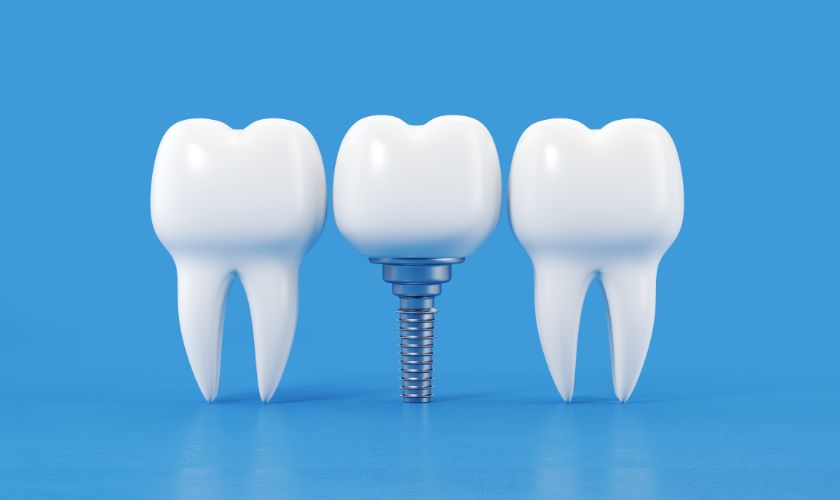
A captivating smile often signifies confidence and vitality. Nonetheless, the absence of teeth can significantly affect your appearance, oral health, and self-assurance. Fortunately, modern dentistry provides an impressive solution: dental implants. These miniature powerhouses have revolutionized the realm of tooth replacement by offering robust and long-lasting support for restoring your smile. In this article, we’ll delve into the scientific principles underlying dental implants and explore the numerous advantages they bring to the table.
Understanding Dental Implants
Dental implants consist of prosthetic tooth roots crafted from biocompatible materials, typically titanium. They are surgically implanted into the jawbone to serve as stable anchors for artificial teeth such as crowns, bridges, or dentures. This intricate procedure is conducted by skilled oral surgeons or implant specialists who meticulously ensure precise placement for optimal function and aesthetics.
The Science Behind Dental Implants
The triumph of dental implants is rooted in their remarkable ability to merge seamlessly with the surrounding bone tissue through a process known as osseointegration. Let’s delve deeper into the scientific intricacies of dental implants:
1. Osseointegration:
Following the surgical placement of a dental implant into the jawbone, a natural healing process called osseointegration takes place. This phase, which typically spans several months, witnesses the fusion of the bone with the implant’s surface, firmly anchoring it in position. This integration mirrors the relationship between natural tooth roots and bone, ensuring exceptional stability.
2. Biocompatible Material:
Dental implants predominantly comprise titanium due to its exceptional biocompatibility. This means that titanium is well-tolerated by the body and encourages the growth of bone tissue around the implant, resulting in a robust and enduring connection.
3. Load-Bearing Capacity:
Dental implants are meticulously designed to withstand the full force of biting and chewing, much like natural teeth. The biocompatible material and osseointegration process guarantee that the implant can endure these forces without compromising its stability.
4. Preservation of Bone Density:
The loss of a tooth typically leads to the gradual deterioration of the bone that once supported it, primarily due to the absence of stimulation. Dental implants step in as artificial tooth roots, providing the necessary stimulation to prevent bone loss and sustain jawbone density.
Advantages of Dental Implants
Having delved into the science of dental implants, let’s now explore the myriad advantages they offer:
1. Remarkable Durability:
Dental implants are renowned for their long-lasting nature. With proper care and maintenance, they can serve you for a lifetime, making them a cost-effective and resilient option for tooth replacement.
2. Natural Appearance:
Dental implants are painstakingly crafted to match the shape, size, and shade of your natural teeth, resulting in a seamless and aesthetically pleasing smile.
3. Restored Functionality:
Unlike removable dentures, dental implants offer full chewing power and stability, enabling you to savor all your favorite foods without constraints.
4. Enhanced Speech:
Dental implants eliminate potential speech impediments or discomfort frequently associated with removable dentures.
5. Preservation of Oral Health:
Adjacent teeth remain unaffected during the dental implant procedure, safeguarding their integrity. Furthermore, the preservation of bone density helps retain facial structure and appearance.
6. Boosted Confidence:
Dental implants provide a permanent and secure solution, reinstating your self-confidence and allowing you to smile, converse, and eat with ease.
7. Convenience:
Dental implants necessitate neither special adhesives nor nightly removal. They seamlessly become part of your regular oral hygiene routine.
8. Versatility:
Dental implants can replace a single missing tooth, several teeth, or even an entire dental arch, rendering them suitable for various scenarios.
9. Long-Term Cost-Efficiency:
While the initial investment in dental implants may appear higher compared to other options, their durability and minimal maintenance costs establish them as a cost-effective choice in the long haul.
Dental implants epitomize the zenith of modern dentistry, offering robust underpinnings for the restoration of a radiant smile. The science of osseointegration, combined with biocompatible materials like titanium, ensures their remarkable strength and functionality. With their myriad benefits, dental implants have transformed the lives of countless individuals, enabling them to regain their confidence and relish life to the fullest. If you’re contemplating tooth replacement, consult with a qualified dental professional to explore the potential of dental implants in rejuvenating your smile and oral well-being.
 Mon-Thr: 8AM - 4PM