
Does the mere mention of a root canal make you cringe? You’re not alone! Root canals have long been associated with fear and discomfort. But what if we told you that those assumptions are nothing more than myths? It’s time to dive deep into the world of root canal therapy and uncover the truth behind this commonly misunderstood dental procedure.
In this comprehensive guide, we will take you through every step of the root canal process, from understanding how it works to debunking common misconceptions. We’ll also shed light on the recovery process so that you know exactly what to expect after undergoing this beneficial treatment. So buckle up and get ready to banish your fears as we unravel the mysteries surrounding root canal therapy. By the end of this article, you’ll be armed with knowledge that will help demystify one of dentistry’s most talked-about procedures. Let’s get started!
Understanding the Procedure: Step-by-Step Guide
If you’ve been told that you need a root canal therapy, it’s natural to have questions and concerns about the procedure. Understanding the step-by-step guide can help alleviate any anxieties and give you a clearer picture of what to expect.
First, your dentist will start by numbing the area around the affected tooth with a local anesthetic. This ensures that you won’t feel any pain during the procedure. Once numb, your dentist will create a small access hole in the tooth to reach the infected pulp inside.
Next, they will use specialized instruments to carefully remove all traces of damaged or infected tissue from within the tooth. This includes removing both nerve tissue and blood vessels. The goal is to thoroughly clean out any infection so that it doesn’t spread further.
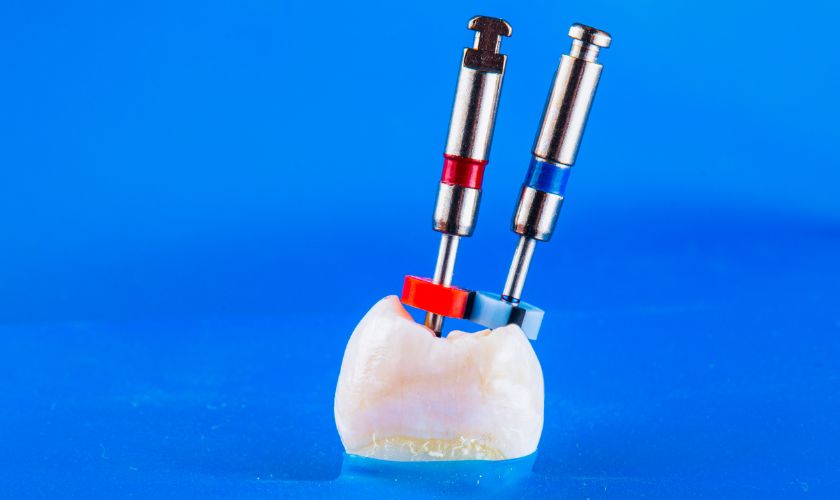
After cleaning out the tooth, your dentist will shape and disinfect the root canals using tiny files. This helps ensure that no bacteria are left behind which could potentially cause reinfection later on.
Once everything is cleaned and shaped properly, your dentist will fill in each root canal with a rubber-like material called gutta-percha. This seals off the canals and prevents future infections from occurring.
Depending on how much natural tooth structure remains after treatment, your dentist may recommend placing a crown over the treated tooth for added protection and strength.
Understanding these steps can help demystify root canal therapy and ease any worries or misconceptions you may have had about it before. Remember to always consult with your dentist for specific details regarding your individual case as every situation is unique!
Debunking Common Myths about Root Canal Therapy
Root canal therapy has garnered a bad reputation over the years, often surrounded by myths and misconceptions. Let’s set the record straight and debunk some of these common myths:
1. Root canals are extremely painful.
Fact: Contrary to popular belief, root canal therapy is not as excruciatingly painful as people think. With modern advancements in dentistry, local anesthesia ensures minimal discomfort during the procedure.
2. Extracting the tooth is a better option than getting a root canal.
Fact: Saving your natural tooth through root canal therapy is always preferable over extraction. Removing a tooth can lead to other complications and require additional treatments like dental implants or bridges.
3. Root canals cause illness or systemic diseases.
Fact: This myth originated from flawed research conducted nearly 100 years ago. There is no scientific evidence linking root canals to any systemic diseases like heart disease or arthritis.
4. A crown isn’t necessary after a root canal.
Fact: After undergoing root canal therapy, placing a crown on the treated tooth provides protection and prevents further damage or infection.
5. Root canals take multiple visits to complete.
Fact: While some complex cases may require more than one appointment, most routine root canals are completed in just one visit to your dentist.
Recovery Process and Tips for a Smooth Recovery
Now that you have undergone root canal therapy, it’s time to focus on your recovery. While the procedure itself may seem intimidating, rest assured that the recovery process is generally straightforward and manageable.
Immediately after the treatment, you may experience some numbness in your mouth due to local anesthesia. This sensation will gradually wear off as time passes. It is also normal to feel tenderness or sensitivity around the treated tooth for a few days.
To ensure a smooth recovery, here are some tips to keep in mind:
1. Take prescribed medications: Your dentist may prescribe pain relievers or antibiotics to prevent infection. Follow their instructions carefully and take any prescribed medications as directed.
2. Avoid chewing on the treated tooth: Give your tooth some time to heal by avoiding hard or chewy foods on that side of your mouth. Stick to soft foods like soups, yogurt, and mashed potatoes during the initial days.
3. Maintain good oral hygiene: Brush gently with a soft-bristle toothbrush twice daily and floss regularly but be cautious around the treated area. Using an antimicrobial mouth rinse can also help prevent infection.
4. Manage discomfort with cold compresses: If you experience swelling or discomfort after root canal therapy, apply ice packs wrapped in a cloth to reduce inflammation and relieve pain.
5. Attend follow-up appointments: It is crucial to attend any scheduled follow-up visits with your dentist for evaluation of healing progress and necessary adjustments if needed.
Alternative Treatments for Dental Issues
When it comes to dental issues, root canal therapy is a common solution that many people opt for. However, it’s important to know that there are alternative treatments available as well. These alternatives can be considered depending on the severity of the dental issue and individual preferences.
One alternative treatment option is tooth extraction. In some cases, extracting the affected tooth may be necessary if it cannot be saved through root canal therapy or other means. While this may seem like a drastic measure, it can sometimes be the best course of action to prevent further complications.
Another alternative treatment is dental implants. If you do end up needing a tooth extraction, dental implants offer a permanent solution by replacing the missing tooth with an artificial one that looks and functions just like a natural tooth. This option is often recommended for those who want a long-term fix and don’t mind undergoing surgery.
For less severe issues such as minor cavities or surface-level decay, dental fillings or bonding can be considered as an alternative treatment option. These procedures involve filling in the damaged area with composite resin material that matches your natural teeth color, effectively restoring both functionality and aesthetics.
Orthodontic treatments such as braces or clear aligners are also worth considering if your dental issue involves misaligned teeth or malocclusion (a bad bite). These treatments gradually shift your teeth into their proper positions over time and can greatly improve both your smile and oral health.
Conclusion and Final Thoughts
Root canal therapy may sound intimidating, but it is a highly effective treatment for saving damaged teeth. Understanding the procedure, debunking common myths, and knowing what to expect during recovery can help alleviate any fears or concerns you may have. During the root canal procedure, your dentist will remove infected pulp from inside your tooth, clean it thoroughly, and seal it with a filling or crown. Contrary to popular belief, this process is virtually painless thanks to modern techniques and anesthesia. It’s important not to believe misleading myths that suggest otherwise. Recovering from a root canal typically involves minimal discomfort that can be managed with over-the-counter pain medication. Following your dentist’s post-procedure instructions will ensure a smooth recovery and prevent complications. While root canal therapy is often the best solution for preserving an infected tooth, there are alternative treatments available depending on your specific dental issue. These options can be discussed with your dentist to determine the most suitable course of action.
 Mon-Thr: 8AM - 4PM