
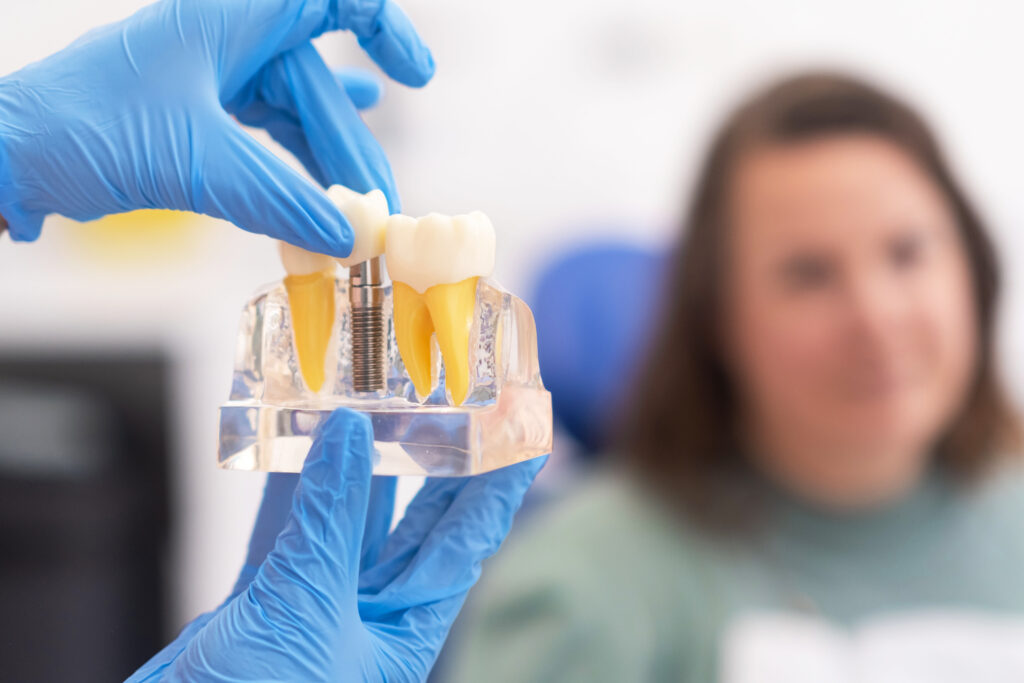
Dental implants have transformed modern dentistry, offering a permanent and natural-looking solution for missing teeth. Whether you’ve already received an implant or are exploring options for tooth replacement, understanding the longevity of dental implants is crucial. A common question many patients ask is: “How long do dental implants last?” The answer depends on several factors, including care, lifestyle, and the skill of the dental professional placing the implant.
If you’re considering dental implants in Derry, it’s essential to have a clear understanding of what contributes to their durability and how you can maximize their lifespan.
What Are Dental Implants?
Before diving into longevity, let’s briefly revisit what dental implants are. A dental implant is a titanium post surgically placed into the jawbone to serve as a root for a replacement tooth. Over time, it fuses with the bone through a process called osseointegration. A custom-made crown is then attached to the implant, mimicking the look and function of a natural tooth.
Unlike dentures or bridges, dental implants are fixed and provide unmatched stability, comfort, and functionality.
Average Lifespan of Dental Implants
Dental implants are designed to be a long-term or even permanent solution for tooth loss. On average, the implant post (the titanium screw) can last 25 years or more, and in many cases, a lifetime—provided it is properly cared for. The crown that attaches to the implant typically lasts 10 to 15 years, depending on wear and tear and oral hygiene practices, but can be replaced without needing to replace the implant itself.
This makes dental implants one of the most durable and cost-effective tooth replacement options available today.
Factors That Influence Implant Longevity
Although implants are highly durable, their lifespan can vary based on several key factors:
1. Oral Hygiene
Consistent brushing, flossing, and routine dental checkups are essential. Poor oral hygiene can lead to gum disease, which may compromise the stability of the implant.
2. Lifestyle Choices
Habits such as smoking and excessive alcohol consumption can negatively affect the healing process and long-term success of implants. Smoking, in particular, impairs blood flow to the gums and can significantly increase the risk of implant failure.
3. Bone Health
Successful dental implants rely on sufficient jawbone density. Patients with bone loss may require bone grafting before implant placement. Regular monitoring ensures the bone remains strong enough to support the implant over time.
4. Bite and Teeth Grinding
Excessive force from grinding or clenching can stress both the implant and the crown. A custom night guard may be recommended to protect your investment if you have bruxism (teeth grinding).
5. Skill of the Dentist
The experience and expertise of the dental provider are critical. Implants placed by highly trained professionals tend to have higher success rates. Choosing a trusted clinic for dental implants in Derry ensures optimal placement and long-term success.
Why Choose a Professional Dental Team?
Choosing a reputable provider for dental implants in Derry is one of the most important steps toward a long-lasting result. A patient-centered clinic with advanced technology and a strong track record of implant success will not only ensure proper placement but will also provide personalized guidance on maintaining your implants over time.
Final Thoughts
Dental implants offer an exceptional, long-term solution for missing teeth. While the titanium post has the potential to last a lifetime, the overall longevity depends on several factors, many of which are within your control. With proper care, healthy lifestyle choices, and regular dental checkups, you can enjoy your dental implants for decades to come.
If you’re considering dental implants in Derry, it’s important to choose a team that prioritizes your long-term oral health and comfort. Our dental clinic is committed to providing high-quality, compassionate care tailored to each patient’s unique needs.
 Mon-Thr: 8AM - 4PM