
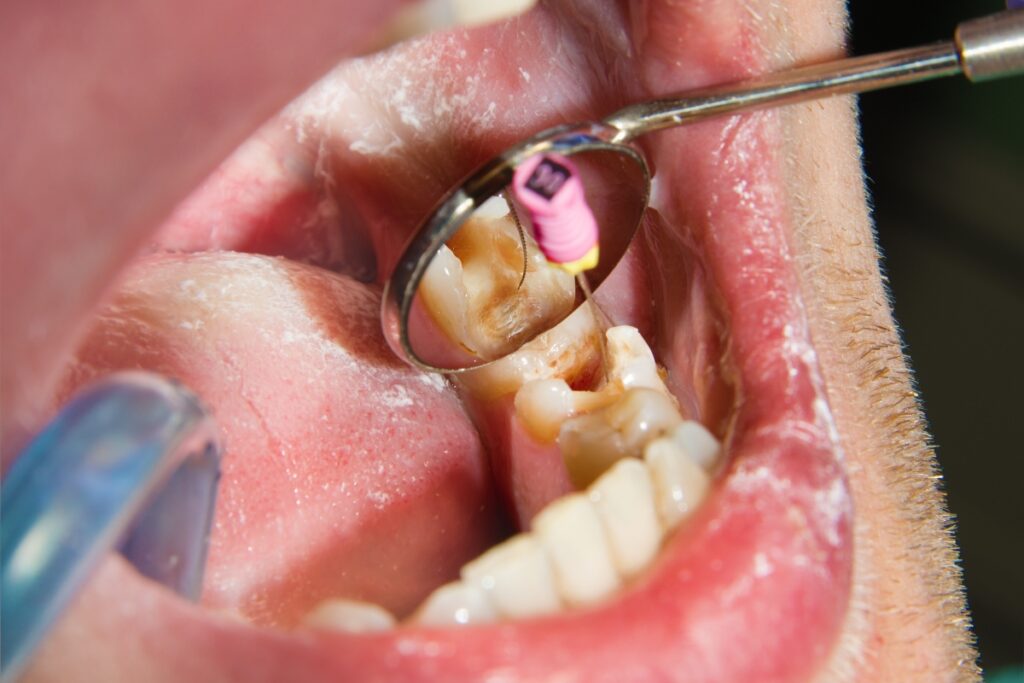
Dealing with dental issues can be daunting, especially when your dentist recommends a root canal. Many people assume this endodontic procedure is the only option for saving a damaged or infected tooth. However, alternative treatments may help preserve your natural tooth and avoid the anxiety associated with root canals.
What is a Root Canal?
A root canal is a dental procedure that reduces the impact of a damaged tooth or infected pulp. The pulp contains nerves and blood vessels, and when it becomes infected due to decay or trauma, it can cause significant pain and lead to more severe dental issues. This procedure allows you to keep your natural tooth and avoid extraction.
Why Do You Need This Endodontic Treatment?
Here are some reasons why a root canal is often necessary to ensure optimal protection for your tooth:
- Severe Decay: If tooth decay reaches the pulp, it can lead to an infection. This situation causes severe pain and requires a root canal to save the tooth. The infection can worsen without treatment, leading to abscesses and bone loss.
- Trauma to the Tooth: A cracked or fractured tooth can expose the pulp to bacteria. If you experience a dental injury, you must visit your dentist immediately.
- Persistent Pain or Sensitivity: If you have prolonged sensitivity to hot or cold or if pain persists after the stimuli are removed, it may indicate an infected pulp. A root canal can relieve this discomfort and restore tooth health.
The Root Canal Process
Here’s how the process typically unfolds when you consult your dentist for root canals in Derry.
1) Diagnosis and X-rays: Your dentist will examine the affected tooth and take X-rays. This step helps determine the extent of the damage and the best course of action.
2) Anesthesia: To ensure your comfort, the dentist will administer a local anesthetic to numb the tooth and surrounding area. There won’t be any pain during the endodontic treatment.
3) Tooth Isolation: The dental practitioner will place a rubber dam around the tooth to keep it dry and free from saliva. This isolation is essential for a clean working area.
4) Accessing the Pulp: The dentist creates an opening in the tooth’s crown to access the pulp chamber. Using specialized instruments, they remove the infected pulp and clean the interior of the tooth.
5) Shaping and Cleaning: Once the pulp is removed, the root canals are cleaned to ensure they are bacteria-free, which prevents future infections.
6) Filling the Canals: Dentists fill the empty root canals with biocompatible gutta-percha material after cleaning. By sealing the canals, this filling stops bacteria from returning.
Finally, the dentist will place a temporary filling to close the access hole. Sometimes, a crown may be recommended to protect and restore the tooth’s function.
Benefits of Root Canals
Undergoing a root canal offers numerous benefits, including:
1) Pain Relief: One of the most immediate benefits of a root canal is pain relief. The source of the pain is eradicated once the diseased pulp is removed.
2) Natural Tooth Preservation: Keeping your natural tooth is a significant advantage. Root canals allow you to maintain your tooth structure, which is vital for chewing and speaking.
3) Prevents Further Infection: A root canal prevents bacteria from re-entering and causing further infections by cleaning and sealing the tooth. This proactive measure can save you from additional dental procedures down the line.
Can a Tooth Be Saved Without a Root Canal?
In certain cases, it’s possible to avoid a root canal and still save your tooth. However, this depends on the severity of the infection or damage.
While root canals are often the best solution, a few alternatives might work, depending on the condition of your tooth. The treatment includes dental fillings and pulp capping, which you must confirm with your dentist first.
The Role of Your Dentist in Tooth Preservation
Dental practitioners play a crucial role in determining the best way to save infected or abscessed teeth. They will assess the damage and infection level, guiding whether root canals are the best solution.
What Your Dentist Will Do?
- Examine the tooth: Through X-rays and a physical exam, your dentist can assess the damage.
- Recommend treatment: Depending on the severity, your dentist will suggest a root canal, a filling, or another option.
- Monitor progress: If antibiotics or pulp capping are chosen, your dentist will track your recovery to ensure the infection doesn’t spread.
Root canals are vital dental procedures that help save teeth from infection or damage. While endodontic treatment may sound scary, the process offers several benefits that can alleviate oral health concerns.
If you’re experiencing tooth pain or suspect an infection, consult your dentist to discuss the possibility of a root canal. Saving your tooth is not just possible; it’s often the best option for a healthy, happy smile.
 Mon-Thr: 8AM - 4PM