
You had straight teeth for years, so noticing new crowding, small gaps, or a change in your bite can be frustrating. It may leave you wondering why your teeth are moving again when you finished orthodontic treatment long ago.
The truth is that teeth are not permanently fixed in one position. They can move throughout adulthood because the bone and tissues supporting them continue to change. Previous orthodontic treatment can also leave teeth more likely to drift if retention is not maintained.
Why Do Teeth Move as You Get Older?
Your teeth sit in living bone that constantly remodels. Everyday forces from chewing, speaking, and biting can contribute to gradual changes in tooth position.
Aging can also bring changes in your bite, tooth wear, and the tissues surrounding your teeth. These changes may be subtle at first. You might notice one front tooth becoming slightly crooked or a space appearing between teeth before you notice a larger change.
Did You Stop Wearing Your Retainer?
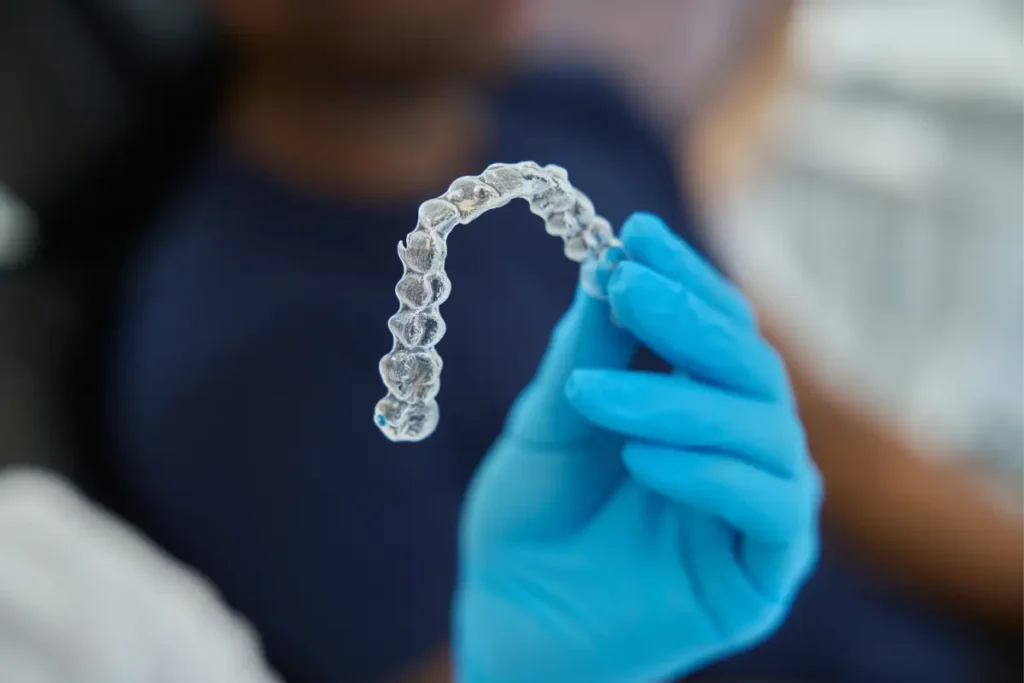
If you had braces or aligners in the past, your retainer plays an important role in maintaining the result.
Teeth have a natural tendency to move toward their previous positions after orthodontic treatment. Wearing a retainer as recommended helps maintain their alignment while the surrounding bone and tissues adapt to the new positions. Long term retention is often necessary because tooth movement can continue throughout life.
If your retainer suddenly feels tight, uncomfortable, or no longer fits completely, do not force it into place. That may be a sign that your teeth have already moved.
Could Something Else Be Causing the Movement?
Not every change in tooth position comes from skipping a retainer.
Grinding or clenching can place repeated pressure on your teeth and contribute to changes in your bite. Gum problems can also affect the tissues and bone that support your teeth. A missing tooth or changes in the way your teeth contact each other may create additional room for movement.
That is why an oral health specialist should look at the bigger picture rather than assuming your retainer is the only issue.
If you are concerned about a change in alignment, a dental professional you trust can evaluate your teeth, gums, bite, and previous treatment history.
Can Shifting Teeth Be Straightened Again?
Often, yes. The appropriate approach depends on how much your teeth have moved and what caused the change.
A minor shift may only require a new or adjusted retainer. If your teeth have moved more significantly, you may benefit from another course of orthodontic treatment. Adults can receive orthodontic care at many stages of life when their teeth and supporting structures are healthy enough for treatment.
For some adults, clear aligner treatment may provide an option for correcting unwanted movement without returning to traditional braces.
When Should You Have Your Teeth Checked?
Consider an evaluation if you notice increasing crowding, new gaps, a changed bite, difficulty keeping your retainer in place, or movement that seems to be getting worse.
You should also seek professional advice if your teeth feel loose, your gums bleed frequently, or you have discomfort when biting. These symptoms may point to an underlying dental concern rather than simple orthodontic movement.
Get Your Alignment Back on Track
You do not have to ignore changes in your teeth simply because you finished orthodontic treatment years ago. Understanding why the movement happened is the first step toward choosing the right solution.
Vanguard Dental Group can evaluate your current alignment and discuss practical options for getting your teeth back on track. If you are ready to take the next step, schedule an appointment in Derry, NH. You can also find the office on the map.
Frequently Asked Questions
1. Is it normal for adult teeth to shift?
Yes. Teeth can naturally change position throughout life because the surrounding bone and tissues continue to remodel.
2. Can teeth shift years after braces?
Yes. Tooth movement can happen years after orthodontic treatment, particularly when retainers are no longer worn consistently.
3. What if my old retainer no longer fits?
Do not force it into place. A dental professional can determine whether your teeth have shifted and whether you need a replacement retainer or additional treatment.
4. Can shifting teeth be straightened again?
In many cases, yes. The recommended approach depends on the amount of movement, your bite, and the health of your teeth and gums.
 Mon-Thr: 8AM - 4PM