
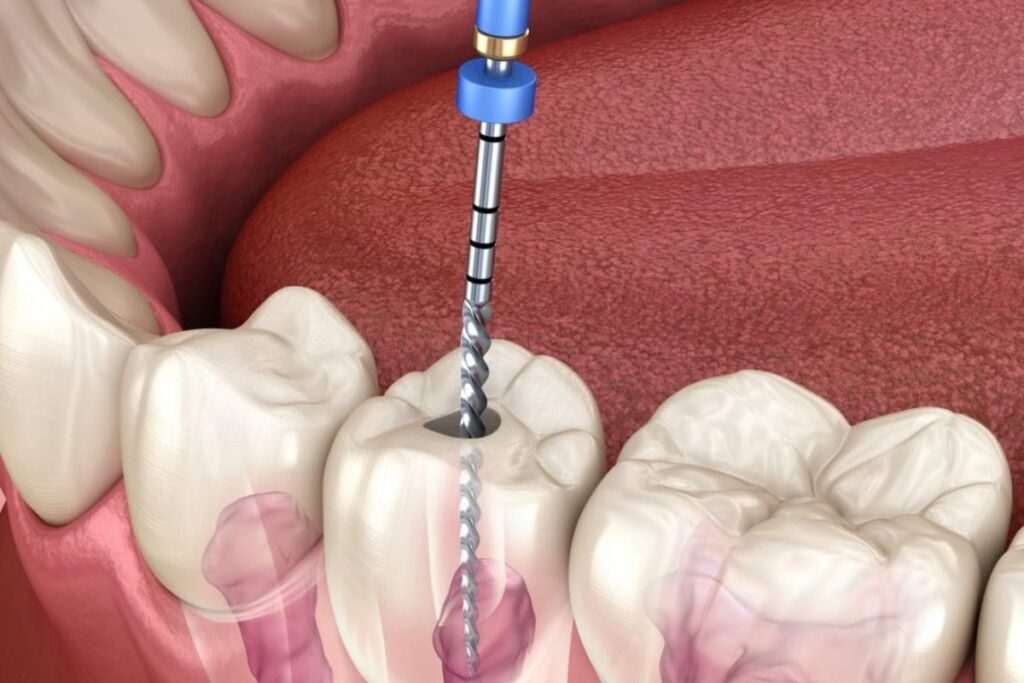
A root canal is a crucial dental procedure that saves teeth with severe decay or infection. If left untreated, tooth decay can lead to more serious dental issues, including tooth loss, abscesses, and diseases that spread to other body parts. Root canals help remove the infected tissue from the tooth, prevent further damage, and avoid tooth extraction. In this blog, we’ll explore how root canals protect your teeth and why they’re essential for maintaining a healthy smile.
What is a Root Canal?
A root canal is a dental treatment that repairs a tooth severely decayed or infected. When bacteria from plaque or cavities penetrate deep into the tooth, they can reach the pulp—the soft tissue inside the tooth that contains nerves and blood vessels. Once the pulp is infected, it causes pain, swelling, and sensitivity. The root canal procedure involves:
- Removing the infected pulp.
- Cleaning the inside of the tooth.
- Sealing it to prevent further infection.
This procedure not only stops the decay from spreading but also provides relief, saving the tooth from being removed altogether.
Why Are Root Canals Important for Preventing Tooth Decay?
Untreated tooth decay can lead to irreversible damage. When decay reaches the pulp, bacteria can multiply and spread, affecting the tooth, surrounding gum tissue, and jawbone. If this infection isn’t stopped with a root canal, it can lead to an abscess, a painful pocket of pus at the end of the tooth’s root. This underlines the crucial role of root canals in preventing severe dental issues.
Root canals are essential because they stop this cycle of decay and infection before it worsens. By removing the infected tissue and sealing the tooth, the root canal prevents the need for more invasive treatments like tooth extraction or dental implants. It also preserves the natural tooth structure, which is essential for maintaining the function of your bite and the overall alignment of your teeth.
Symptoms That May Indicate You Need a Root Canal
If you’re unsure whether you need a root canal, there are several symptoms you can look out for. Some of the most common signs that a root canal may be necessary include:
- Persistent toothache: A toothache that doesn’t subside, especially if you’ve taken medication, can indicate severe decay or infection in the pulp.
- Swollen gums: Puffy, painful, or swollen gums around a specific tooth are often signs of infection.
- Visible decay: If your tooth shows signs of obvious decay or discoloration, a root canal may be needed to treat the damage.
- Lost or loose dental work: A tooth that has lost a filling or other dental work or has loose dental work can become vulnerable to decay.
- Pimple on the gums: A small pimple-like bump on the gums near a tooth is a clear sign of infection and may require a root canal.
- Temperature sensitivity: Severe pain when consuming hot or cold foods or drinks could mean the tooth’s nerve has been affected by decay.
These symptoms should never be ignored, as early treatment can prevent more severe dental problems. If you notice any of these signs, it’s essential to consult your dentist as soon as possible to avoid further damage and discomfort. This stress on early treatment reinforces the need for timely dental visits.
How Root Canals Save Teeth from Extraction
One of the most significant benefits of a root canal is that it can save your tooth from extraction. Extraction might seem like the only solution when a tooth becomes severely decayed or infected. However, extracting a tooth can lead to several other complications. It leaves a gap in your mouth that can cause the surrounding teeth to shift, leading to misalignment. Misaligned teeth affect your bite, making it more challenging to maintain proper oral hygiene increasing the risk of further decay and gum disease.
A root canal helps preserve the natural tooth, allowing you to keep your tooth’s structure and avoid the need for more invasive procedures. This means your smile stays intact, and you maintain the ability to chew and speak normally. Additionally, keeping your tooth can help prevent bone loss in the jaw, which often occurs when a tooth is extracted. This reassures readers about the long-term benefits of root canals.
Root canals are a critical dental procedure that helps protect teeth from severe decay and infection. By addressing the problem early, you can avoid tooth loss and maintain a healthy smile. If you experience symptoms like persistent toothaches, swollen gums, or visible decay, it’s essential to consult your dentist promptly. With timely treatment and proper care, root canals can save teeth from extraction and preserve oral health for years, keeping you well-informed about your dental options.
 Mon-Thr: 8AM - 4PM