
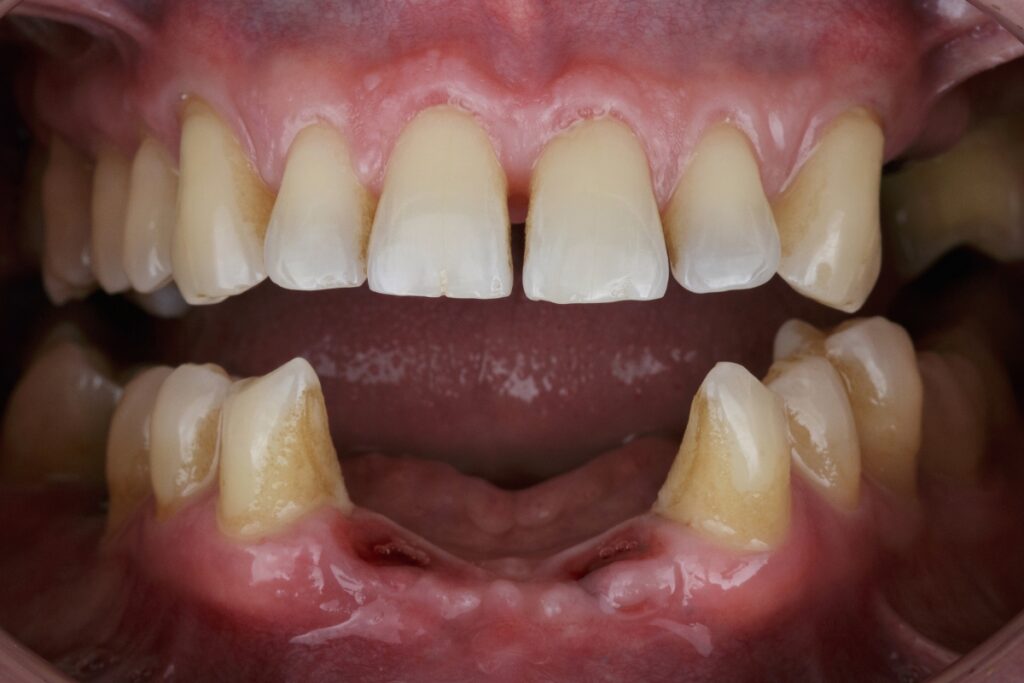
Losing a tooth can be a distressing experience. Not only can it affect your confidence, but it can also impact your oral health. Modern dentistry offers several effective restoration options to help you regain your smile. Let’s explore the top choices for patients seeking restorative dentistry to replace or conceal missing teeth.
What is Restorative Dentistry?
Restorative dental treatments focus on diagnosing and treating dental issues to restore the function and appearance of teeth. It encompasses various procedures designed to repair damage caused by decay, injury, or wear. By prioritizing both aesthetics and functionality, restorative dentistry helps maintain oral health and improves overall quality of life.
Restorative dentists can help prevent further complications that may arise after losing teeth. You can consult them for the following services.
Dental Implants
Dental implants are the most preferred option for tooth restoration. The main components include a titanium post, an abutment, and a crown. In this treatment, a titanium post is surgically implanted into the jawbone to serve as a tooth root for a durable and stable restoration.
Why Get Implants?
One major advantage of implants is their longevity. With proper care and maintenance, dental prosthetics can last a lifetime. Additionally, they help maintain jawbone health by preventing bone loss that often occurs after losing a tooth. Implants also provide a natural appearance and function, making them an excellent choice for many patients.
The Implant Procedure
First, your dentist will evaluate your jawbone and oral health. If necessary, a bone graft may be performed to ensure sufficient support for the implant. Once ready, the titanium post is placed in the jaw. After a healing period of several months, the crown is attached.
Considerations
While implants are highly effective, they may not be suitable for everyone. Patients with certain health conditions or insufficient bone density might require additional procedures.
Dental Bridges
Another great choice for restoring lost teeth is a bridge. They consist of one or more artificial teeth (pontics) anchored to neighboring teeth or implants and suitable for filling gaps.
Why Choose Bridges?
Bridges might help you regain the ease of chewing and speaking. They also help maintain the shape of your face and prevent neighboring teeth from shifting. These dental prosthetics are typically less invasive than implants, making them a popular choice for sensitive patients.
What is The Procedure?
Getting a dental bridge requires two appointments. During the first visit, your dentist will prepare the supporting teeth by reshaping them. Impressions of your mouth will be taken to create a custom bridge. While your permanent bridge is being fabricated, a temporary one is placed.
At your second appointment, the temporary bridge will be removed, and the permanent bridge will be fitted and secured. Your dentist will ensure the fit is comfortable and natural before you leave.
Considerations
While bridges are effective, they do require the alteration of neighboring teeth. This is often an acceptable trade-off if those teeth are healthy and strong. Regular dental checkups will help ensure your bridge remains in good condition.
Dental Crowns
Crowns are versatile restorations that can cover a damaged tooth or serve as a part of the dental bridge. These caps are used on top of dental implants, providing a natural-looking replacement for tooth loss.
What Do Crowns Offer?
Crowns can restore both function and aesthetics. They can protect weak teeth from further damage and improve the appearance of misshapen or discolored teeth. Crowns are typically made from various materials, including porcelain, ceramic, and metal, ensuring a perfect match for your smile.
The Crown Placement Process
The process for getting a dental crown might involve two visits. On the first visit, your dentist will prepare the tooth by reshaping it. An impression will be taken, and a temporary crown will be placed while the permanent one is crafted.
During the second appointment, the temporary crown is removed, and the new one is glued securely to your tooth. Your dentist will check to ensure it fits comfortably and matches your bite.
Crowns are an excellent option for restoring function and appearance. However, depending on the materials and routine care, these dental caps may need replacement every 5 to 15 years.
Restorative dentistry offers various solutions for missing teeth, including dental implants, bridges, and crowns. Each option has unique benefits and considerations while rejuvenating your smile. Choosing the right restoration depends on your specific needs, preferences, and overall dental health. Consulting with a dentist can help you turn your imperfections into a flawless grin.
 Mon-Thr: 8AM - 4PM