
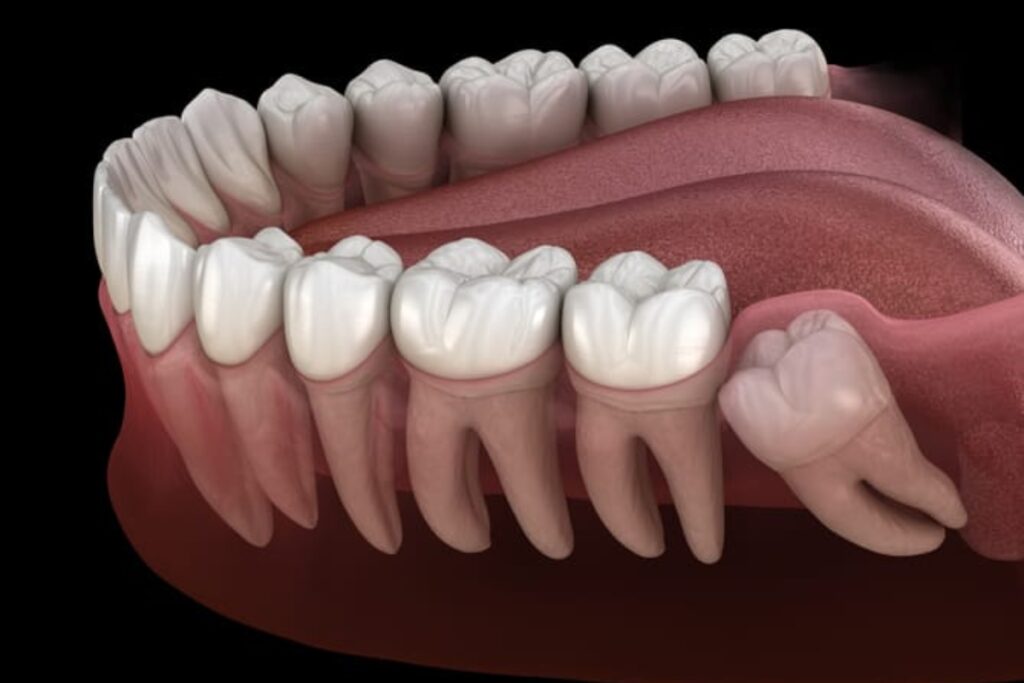
Wisdom teeth, the third set of molars, often cause problems due to lack of space in the jaw. If your dentist has recommended removal, preparing for the procedure is essential to ensure a smooth recovery.
What to Expect
Wisdom teeth removal is a joint oral surgery performed by dentists or oral surgeons. It involves extracting the impacted or partially erupted teeth. While most people experience minimal discomfort, following pre and post-operative care instructions is crucial.
Preparing for the Procedure
- Consult Your Dentist:
-
- Discuss the procedure, anesthesia options (local, general, or sedation), and potential risks.
- Inform your dentist about any medical conditions, allergies, or medications you’re taking.
- Gather Information:
- Learn about the recovery process, including pain management and diet restrictions.
- Ask about potential complications and how to address them.
- Arrange Transportation:
- You’ll need someone to drive you home after the surgery, as anesthesia can affect your ability to drive.
- Stock Up on Supplies:
- Prepare soft foods like soups, yogurt, and mashed potatoes for the first few days.
- Have ice packs ready to reduce swelling.
- Purchase over-the-counter pain relievers as recommended by your dentist.
- Prepare Your Home:
- Create a comfortable space for resting with pillows and blankets.
- Stock up on entertainment options like books, movies, or TV shows.
The Day of the Surgery
- Follow Instructions:
-
- Adhere to your dentist’s pre-operative instructions, such as fasting or avoiding certain medications.
- Wear comfortable clothing.
Post-Surgery Care
- Rest:
-
- Allow your body to heal by getting ample rest.
- Avoid strenuous activities for a few days.
- Manage Pain:
-
- Take prescribed pain medication as directed.
- Apply ice packs to reduce swelling.
- Follow Dietary Restrictions:
-
- Stick to soft foods and avoid hot or spicy dishes.
- As your mouth heals, slowly start incorporating solid foods into your diet.
- Oral Hygiene:
-
- Gently rinse your mouth with warm saltwater to prevent infection.
- Avoid brushing or flossing near the extraction sites for the first few days.
Remember: Every patient’s experience is different. It’s essential to follow your dentist’s specific instructions for optimal recovery. If you feel intense pain, heavy bleeding, or any other worrying symptoms, get in touch with your dentist right away.
By following these guidelines, you can prepare for wisdom teeth removal and enjoy a smoother recovery process.
 Mon-Thr: 8AM - 4PM