
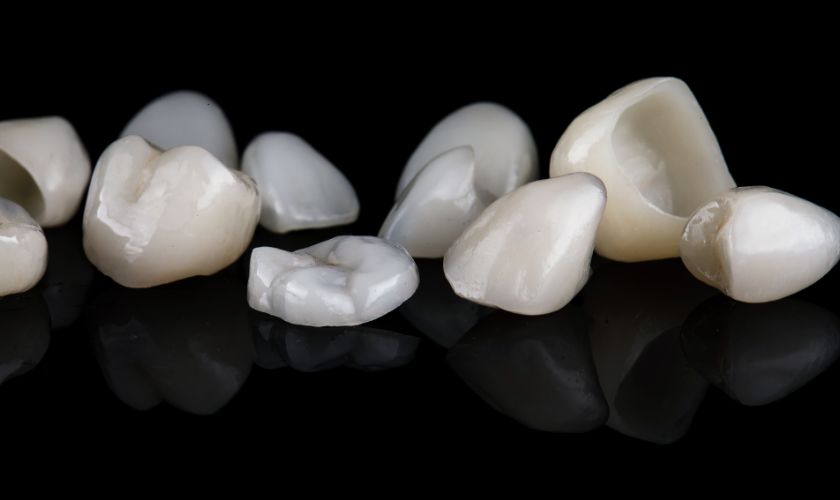
When it comes to restoring damaged or decayed teeth, two common options are fillings and crowns. Each treatment has its own set of advantages and disadvantages, and understanding the differences between them is essential for making informed decisions about your dental care. In this blog post, we’ll explore the pros and cons of fillings and crowns to help you choose the best option for your dental health.
Fillings:
Pros:
- Minimal Tooth Removal: Fillings require minimal removal of tooth structure, preserving more of your natural tooth.
- Quick Procedure: Fillings can typically be completed in a single dental visit, saving you time and inconvenience.
- Cost-Effective: Fillings are generally less expensive than crowns, making them a more budget-friendly option for many patients.
- Versatility: Fillings can be used to treat small to moderate cavities and are suitable for most patients.
Cons:
- Limited Strength: While durable, fillings may not provide as much strength and support as crowns, especially for larger cavities or areas of extensive decay.
- Susceptible to Wear: Over time, fillings may wear down or become dislodged, requiring replacement or repair.
- Aesthetics: Traditional amalgam fillings may not match the color of your natural teeth, affecting the appearance of your smile.
- Risk of Recurrent Decay: In some cases, decay may develop around or underneath the filling, necessitating additional treatment.
Crowns:
Pros:
- Superior Strength: Crowns provide greater strength and support for weakened or heavily damaged teeth, restoring functionality and durability.
- Aesthetic Appeal: With advancements in dental materials, crowns can be made to closely resemble the color and appearance of natural teeth, enhancing the aesthetics of your smile.
- Longevity: Crowns are highly durable and can last for many years with proper care, reducing the need for frequent replacement.
- Protection: Crowns encase the entire tooth, providing added protection against further decay or damage.
Cons:
- More Tooth Removal: Crowns require more extensive tooth preparation, which may involve the removal of a significant portion of the natural tooth structure.
- Time-Consuming Process: The placement of crowns typically requires multiple dental visits and may involve waiting for a custom-made restoration to be fabricated in a dental laboratory.
- Higher Cost: Crowns are generally more expensive than fillings due to the materials used and the complexity of the procedure.
- Potential Sensitivity: Some patients may experience temporary sensitivity or discomfort following crown placement, although this typically resolves on its own.
Conclusion:
Both fillings and crowns offer effective solutions for restoring damaged or decayed teeth, each with its own set of advantages and disadvantages. Ultimately, the best choice depends on factors such as the extent of damage, aesthetic preferences, budget considerations, and long-term oral health goals. Consult with your dentist to determine the most appropriate treatment plan for your individual needs, ensuring a healthy and beautiful smile for years to come.
 Mon-Thr: 8AM - 4PM