
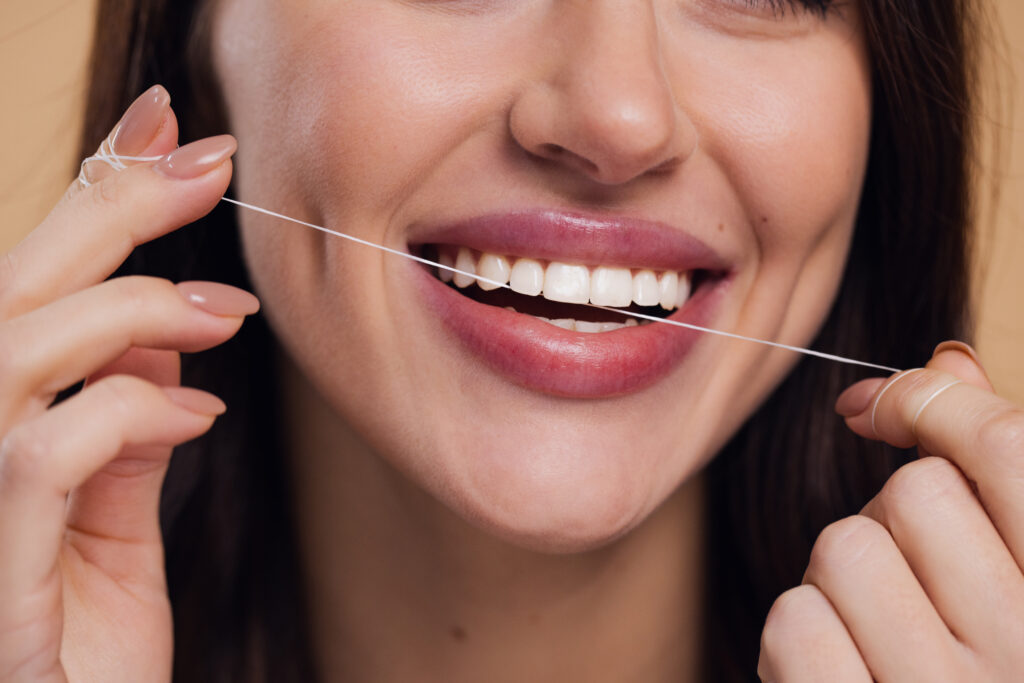
When it comes to maintaining a healthy, confident smile, brushing alone isn’t enough. Daily flossing is one of the most effective ways to remove plaque and food particles from between your teeth and under the gumline areas your toothbrush simply can’t reach. Yet, many people either skip flossing or do it incorrectly, putting their oral health at risk.
Flossing like a pro doesn’t require special tools or complicated routines, just the right technique and consistency. In this guide, we’ll walk you through five simple steps that can make a big difference in your oral health. Whether you’re just starting or looking to refine your technique, these tips will help you master the art of flossing and maintain a healthy smile.
Why Is Flossing So Important?
Flossing removes plaque and bacteria that brushing alone can leave behind. When left unchecked, plaque can harden into tartar, contribute to cavities, and lead to gum disease. Regular flossing supports healthier gums, fresher breath, and overall better oral hygiene. It also reduces your risk of more serious dental issues that might require intervention from a dentist near you.
Floss Like a Pro: 5 Simple Steps
1. Choose the Right Type of Floss
The first step to effective flossing is choosing a floss that fits your needs. There are various types available, including:
-
Waxed floss: Slides easily between teeth and is less likely to shred.
-
Unwaxed floss: Thinner and may be better for tight spaces, though it may break more easily.
-
Dental tape: Flat and wide, ideal for people with wider tooth gaps.
-
Floss picks or pre-threaded flossers: Convenient for those with limited dexterity.
If you’re unsure which type is right for you, a quick conversation with a dentist in Derry can help guide your decision.
2. Use Enough Floss
Cut about 18 inches of floss. This may seem like a lot, but it allows you to use a clean section for each tooth and maintain proper control. Wrap most of the floss around the middle finger of one hand, and the rest around the opposite middle finger, leaving about two inches to work with.
3. Guide Gently Between Teeth
Hold the floss taut between your thumbs and index fingers. Gently guide the floss between your teeth using a rubbing motion. Avoid snapping the floss into your gums, as this can cause irritation or damage.
4. Curve and Clean
When the floss reaches the gumline, curve it into a C-shape against one tooth. Slide it gently under the gumline and move it up and down to remove plaque. Repeat this motion on the adjacent tooth before moving on to the next space.
5. Use a Clean Section for Each Tooth
As you move from tooth to tooth, unroll a fresh section of floss from your finger. Using a clean segment ensures you’re not transferring debris or bacteria back into your mouth.
Additional Tips to Keep in Mind
-
Floss at least once a day. Nighttime is ideal for removing debris from the day.
-
Be consistent. Flossing regularly is more beneficial than doing it occasionally with perfect technique.
-
Take your time. Rushing through flossing reduces its effectiveness.
-
Don’t forget the back teeth. These areas are often missed and can easily develop decay.
Common Flossing Mistakes to Avoid
Even well-meaning flossers can fall into bad habits. Here are a few things to watch out for:
-
Snapping the floss into your gums: This can cause injury or gum recession.
-
Not flossing below the gumline: That’s where bacteria often hide.
-
Reusing the same section of floss: This spreads bacteria rather than removing it.
-
Skipping flossing when gums bleed: Bleeding is often a sign of inflammation. Continued, gentle flossing helps reduce bleeding over time.
If you notice persistent bleeding, sensitivity, or discomfort when flossing, schedule a visit with a dentist for a professional evaluation.
Consistency Is Key
Good oral hygiene isn’t about being perfect—it’s about being consistent. Even if you haven’t been flossing regularly, it’s never too late to start. By following these five simple steps and making flossing a daily habit, you’ll significantly reduce your risk of gum disease, cavities, and other dental issues.
And remember, flossing doesn’t replace professional dental care. Regular checkups with your dentist is essential for keeping your smile healthy for life.
Frequently Asked Questions (FAQs)
Q1: How often should I floss?
A: It’s best to floss once a day. Flossing at night helps keep your teeth clean before bed.
Q2: Should I floss before or after brushing?
A: Either order works, but flossing first can help remove debris and allow fluoride from toothpaste to reach more surfaces.
Q3: What if my gums bleed when I floss?
A: Some bleeding is common when you’re first starting. It usually subsides with consistent flossing. If it persists, consult a dentist near you.
Q4: Can I use a water flosser instead of traditional floss?
A: Water flossers are a great alternative for some people, especially those with braces or limited dexterity. However, traditional floss may be more effective at removing sticky plaque.
Q5: Is it normal for floss to smell bad after use?
A: Yes, this can happen when bacteria and food particles are trapped between your teeth. Regular flossing helps reduce odor over time.
 Mon-Thr: 8AM - 4PM